
System is 10–15+ Years Old
Most central AC systems in Phoenix last 12–18 years. If your unit is approaching or past that range, replacement is more cost-effective than continued repairs.
Professional AC installation and central heat pump replacement built for Arizona homes. Sapper HVAC installs the right size system the right way — serving Phoenix, Chandler, Gilbert, Mesa, and all surrounding cities.

Limited-Time AC Pro Offer
New replacement installations through November 30, 2026.
Quick Answer
Central heat and AC installation in Phoenix covers split systems, heat pumps, and dual-fuel setups for whole-home comfort. Most Phoenix Metro homes use a gas furnace split system or a heat pump matched to their square footage and insulation. Sapper HVAC performs a Manual J load calculation on every installation — never a rule-of-thumb guess — to ensure correct sizing and long-term efficiency. Veteran-owned. Licensed ROC #360142. Call (602) 206-7359.
Common Questions
Central AC installation in Phoenix typically ranges from $4,500 to $12,000+ depending on system type, tonnage, SEER2 efficiency rating, ductwork condition, and whether electrical upgrades are needed. That range includes equipment, labor, permits, and startup. Sapper HVAC provides free, no-pressure in-home or virtual estimates with a complete line-item breakdown.
Consider AC replacement when your system is 10–15 years old, requires repairs costing more than half the replacement price, uses discontinued R-22 refrigerant, struggles to maintain 78°F during Phoenix summer, or when your energy bills have climbed significantly. As a rule of thumb: if repair cost × system age exceeds the replacement cost, replace it.
Yes. Heat pumps provide both cooling and heating in one all-electric system and are well-suited to Arizona's mild winters. Modern variable-speed heat pumps perform efficiently down to 0°F — and Phoenix rarely sees below 35°F. They may qualify for current utility incentives. Federal 25C expired after 2025. The right fit depends on your home size, insulation, and comfort goals.
AC sizing in Arizona requires a Manual J load calculation — not a square-footage rule of thumb. Arizona's extreme heat, long cooling seasons, sun orientation, and diverse housing stock mean rules of thumb consistently oversize or undersize systems. An oversized system short-cycles and leaves humidity high. An undersized system runs constantly and fails early. Sapper HVAC performs Manual J on every installation.
A split system has two components: an indoor air handler (in the attic or closet) connected to an outdoor condenser. A package unit combines all components in one cabinet — typically on the rooftop or a ground pad. Split systems are more efficient and quieter for most homes. Package units are common in flat-roof homes and older Arizona construction. Both require the same proper load calculation for correct sizing.
Central AC systems in Phoenix typically last 12–17 years — shorter than the national average of 15–20 years due to the extreme heat and near-year-round operation. Proper sizing, quality installation, and annual maintenance extend that range significantly. Systems that were oversized, improperly installed, or neglected often fail at 8–10 years.
Sapper HVAC installs and replaces central AC systems across Phoenix, Chandler, Mesa, Gilbert, Tempe, Scottsdale, Glendale, Peoria, Surprise, Goodyear, Avondale, Buckeye, Queen Creek, Maricopa, and surrounding areas. Veteran-owned. Licensed ROC #360142. Call (602) 206-7359 for a free estimate.
Prices below reflect typical installed costs in the Phoenix Metro for central AC replacement, including equipment, labor, permits, and startup. Ductwork and electrical upgrades are quoted separately if needed.
| SERVICE / ITEM | LOW | HIGH | NOTES |
|---|---|---|---|
| 2-Ton Split System (up to ~1,000 sq ft) | $4,500 | $7,500 | Small home or condo |
| 3-Ton Split System (~1,000–1,800 sq ft) | $5,500 | $9,000 | Most common Phoenix home size |
| 4-Ton Split System (~1,800–2,500 sq ft) | $6,500 | $10,500 | Larger single-story |
| 5-Ton Split System (2,500+ sq ft) | $7,500 | $12,000+ | Large home |
| Heat Pump Upgrade (same tonnage) | +$500 | +$2,000 | vs. standard split |
| Ductwork Repairs / Sealing | $300 | $1,500+ | If needed — quoted separately |
| Electrical Panel Upgrade | $1,200 | $3,500 | If required for new system |
What's Included in Every Quote
These are planning ranges based on typical Phoenix Metro installations. Final pricing depends on equipment tier, ductwork condition, electrical panel capacity, and current costs. Sapper HVAC provides free written estimates with no obligation.
Both systems cool and heat your home. Here's how they compare for Arizona's climate.
| FEATURE | GAS SPLIT SYSTEM | HEAT PUMP |
|---|---|---|
| BEST USE CASE | Homes with good ductwork | Homes needing heating + cooling |
| FUEL SOURCE | Electric (cooling) + gas (heat) | Electric only (heat pump) |
| WINTER EFFICIENCY | Good (gas heat) | Excellent (electric heat pump) |
| SUMMER EFFICIENCY | 15–20 SEER2 | 16–22 SEER2 |
| TYPICAL COST RANGE | $4,500–$10,500 | $5,000–$12,000+ |
| FEDERAL 25C | Expired after 2025 | Expired after 2025 |
| APS/SRP REBATE ELIGIBLE | Sometimes | Often (check current programs) |
| ARIZONA CLIMATE SUITABILITY | Excellent | Excellent |
Best For: Gas Split System
Best For: Heat Pump
Expert Verdict
For most Phoenix homes, a heat pump is the smarter long-term investment — especially where current utility incentives apply; federal 25C expired after 2025. If you already have a well-functioning gas furnace and only need to replace the cooling side, a standard split system may be more cost-effective. Sapper HVAC will walk you through both options with real numbers.
Central HVAC Installation
When you schedule AC installation in Phoenix with Sapper HVAC, you're getting a complete, professional process — not just a swap-out. From the moment we arrive to the final system test, every step is performed under Sapper HVAC’s Arizona ROC #360142 license by qualified HVAC professionals who know what Phoenix summers actually demand.
Here's what to expect on the day of your AC installation: Our technicians will arrive on time and walk you through the work before anything is removed. We'll carefully recover and dispose of the old refrigerant, disconnect and remove the existing equipment, and prepare the site. The new system is set on a properly leveled pad, the lineset is inspected or replaced if needed, and all electrical connections are made to code.
The foundation of every reliable AC installation is the load calculation. Sapper HVAC performs a full Manual J calculation on every project — accounting for your home's square footage, insulation levels, window orientation, ceiling height, and Phoenix's extreme climate data. This determines the exact tonnage your home needs. An oversized or undersized AC system will underperform, break down early, and cost more to run.
Most AC installations in Phoenix are completed in one day (6–8 hours). After installation, we test refrigerant charge, airflow, electrical draw, thermostat operation, and system performance before leaving. You'll receive documentation of the install, your equipment serial numbers, and information on your 2-year labor warranty.
Whether you're replacing a failing unit, upgrading an aging system, or installing AC in a new addition or home, Sapper HVAC provides an energy-efficient AC installation built for Phoenix — and backed by a contractor who will still be here if you need us.
Sapper HVAC installs leading central AC and heat pump brands including Daikin, Carrier, Trane, Lennox, Rheem, Goodman, and American Standard. We'll recommend the right brand and efficiency tier for your home, budget, and whether you want to maximize rebate eligibility through APS or SRP.
All installed systems are SEER2-rated and eligible for the federal energy-efficiency tax credit (where qualifying). Ask us which models qualify for current APS and SRP utility rebates — we check eligibility on every quote.
In a climate where your AC runs 7–8 months a year, proper installation isn't optional — it's everything. An improperly installed AC system will run longer, cost more to operate, void manufacturer warranties, and fail years ahead of schedule. Arizona's ROC licensing requirement exists for a reason: homeowners deserve a contractor who is accountable for the work they do. Sapper HVAC holds AZ ROC License #360142 and backs every AC installation with a 2-year labor warranty.
AC Replacement Phoenix
Arizona's heat accelerates wear on HVAC equipment. Knowing when to replace — rather than repair — can save you thousands over the life of the system.
Most central AC systems in Phoenix last 12–18 years. If your unit is approaching or past that range, replacement is more cost-effective than continued repairs.
A failing compressor is often the end of the road for an older system. Repeated compressor or refrigerant repairs add up quickly — and rarely solve the underlying problem.
If your cooling costs are climbing year over year without a change in usage, your system is losing efficiency. A properly sized, high-efficiency replacement can cut energy costs significantly.
Rooms that never seem to reach the set temperature — especially in a Phoenix summer — indicate a system that's undersized, mismatched, or losing capacity.
R-22 (Freon) was phased out in 2020. If your system still uses it, replacement parts and refrigerant are expensive and increasingly unavailable. Upgrading to an R-410A or R-32 system is the practical solution.
If you've called for repairs multiple times in the past two seasons, the cost of those repairs will likely exceed the cost of a new, warranted installation.
Heat Pump Installation Phoenix
Heat pumps have become one of the most practical HVAC upgrades for Phoenix homeowners. They provide efficient cooling in summer and consistent heating in winter — without the operating cost of a gas furnace. In Arizona's climate, where winters are short and mild, that balance works in your favor.
A heat pump handles both cooling in summer and heating in winter — replacing separate AC and furnace systems with a single, streamlined unit.
Modern inverter-driven heat pumps operate efficiently at high outdoor temperatures. Arizona's mild winters make heat pumps an ideal year-round solution.
Heat pumps move heat rather than generate it, making them significantly more efficient than gas furnaces for heating — and comparable to high-efficiency AC for cooling.
The federal 25C tax credit ended for systems installed after December 31, 2025. High-efficiency heat pumps may still qualify for SRP or APS utility rebates, and some income-qualified households may qualify for Arizona's Efficiency Arizona rebate program.
High-efficiency heat pump condenser installed at Arizona residence
HVAC System Installation Phoenix
01
We perform a Manual J load calculation for your home — accounting for square footage, insulation, windows, and Phoenix's climate data — to determine the correct system size.
02
Based on the load calc, we recommend the appropriate tonnage and efficiency rating. We'll walk you through options and explain the trade-offs before you commit to anything.
03
Existing equipment is safely disconnected, recovered (refrigerant), and removed from your property. We handle disposal — you don't have to worry about it.
04
The new condenser, air handler, and coil are installed according to manufacturer specifications and Arizona code requirements. Line sets and duct connections are properly sealed.
05
We verify disconnect, breaker, and wiring sizing meet the new system's requirements. Your thermostat is configured and tested — including smart thermostat integration if applicable.
06
We perform a full system startup, check refrigerant charge, verify airflow, and confirm the system is operating within manufacturer specifications before we leave your home.
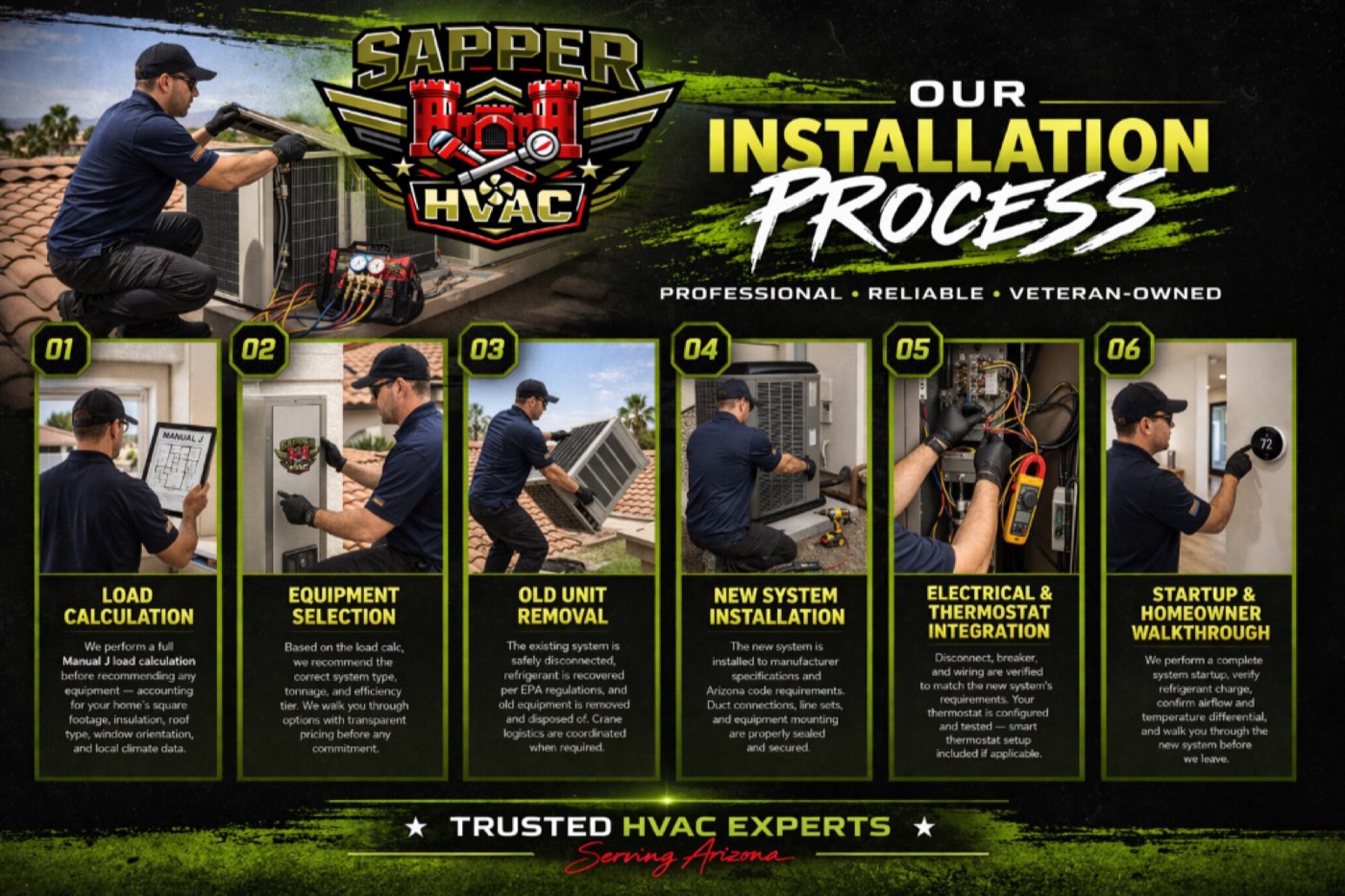
Proper Installation = Real-World Efficiency
Every install follows manufacturer specs and AZ building code
New AC System Phoenix
Sapper HVAC installs a range of central HVAC systems suited to Phoenix-area homes, from standard split systems to high-efficiency heat pumps. We'll recommend the right type based on your home's configuration and cooling needs.
Most Common
The most common configuration in Phoenix-area homes. A split system pairs an outdoor condenser with an indoor air handler and coil. They're reliable, widely serviced, and available in a broad range of efficiency ratings.
Common in Phoenix
Package units house all components — compressor, coil, and air handler — in a single cabinet installed on the roof. Common in older Phoenix homes and commercial properties. We install and replace package units across the Metro.
Best Efficiency
Inverter-driven systems modulate compressor speed rather than cycling on and off. This delivers precise temperature control, quieter operation, and significantly lower energy consumption — especially valuable in Arizona's long cooling season.
Tax Credit Eligible
A heat pump provides both cooling and heating in a single system. Modern heat pumps operate efficiently in Arizona's climate and are not eligible for the federal 25C tax credit on 2026 installations. Ideal for homeowners looking to eliminate gas heating.
Looking for a different system type?
We also specialize in ductless mini splits and rooftop package systems.
AC Replacement Phoenix — Pricing Factors
Central AC installation costs in Phoenix vary based on several factors. Sapper HVAC provides fully itemized, transparent quotes before any work begins — so you know exactly what you're paying for and why.
1
Larger homes require higher-tonnage systems, which cost more to purchase and install. Proper sizing via load calculation ensures you're not over- or under-spending on capacity.
2
If your existing ductwork is leaking, undersized, or deteriorated, repairs or replacements may be needed. Leaky ducts reduce system efficiency and are a common issue in older Phoenix homes.
3
New, higher-efficiency systems sometimes require updated disconnect boxes, dedicated circuits, or breaker upgrades. Sapper HVAC identifies electrical requirements upfront — no surprise charges after the work starts.
4
Mechanical and electrical permits are required for most central AC replacements in Arizona. Sapper HVAC handles permit acquisition as part of every installation — it's included in your quote.
5
Higher-efficiency systems (higher SEER2 ratings) cost more upfront but deliver meaningfully lower monthly energy bills in Arizona's long cooling season. We'll help you evaluate the payback period.
6
Two-stage and variable-capacity systems deliver better comfort and efficiency than single-stage equipment, but carry a higher equipment cost. For most Phoenix homes, the upgrade pays off.
Get a Transparent, Itemized Quote
No generic pricing. Every quote is specific to your home, system size, and installation requirements.
Energy Efficiency Expertise
SEER2 (Seasonal Energy Efficiency Ratio 2) measures how much cooling a system delivers per unit of electricity consumed over an entire season. The higher the SEER2, the less you spend per month on electricity. In Phoenix — where systems run 6–8 months per year — the efficiency difference between a 15 SEER2 and a 20 SEER2 system translates to meaningful monthly savings.
The federal 25C energy-efficient home improvement tax credit expired for new installations after Dec. 31, 2025. APS and SRP also offer utility rebates for qualifying high-efficiency systems.
Variable-speed inverter systems — like the Daikin and Aurus lines Sapper HVAC installs — modulate compressor speed continuously. They use only the energy needed at any given moment, rather than cycling fully on and off. In Phoenix's long cooling season, that efficiency difference compounds significantly.
Key Facts
Arizona Climate Expertise
Phoenix summers regularly exceed 115°F — ambient temperatures that push air conditioning systems to their absolute limits. Most HVAC performance specs are rated at 95°F ambient. When it's 110°F at your outdoor unit, capacity drops and efficiency falls significantly.
Sapper HVAC sizes every system for Phoenix's actual conditions — not national averages. That means using 25 BTU/sq ft for most Phoenix spaces (vs. the national 20 BTU standard), accounting for direct west/south sun exposure, uninsulated walls and roofs, and the fact that Phoenix systems run at near-full load for 6–8 months per year.
The result: systems that are properly sized, don't short-cycle in spring and fall, and don't fail under load in August.
Key Facts
ARIZONA HVAC REALITY
Central HVAC installation in Phoenix isn't the same as installation anywhere else. These are the factors that separate a system that lasts 18 years from one that fails in 8.
Phoenix's heat season is longer and more extreme than virtually any other major U.S. city. Systems that are correctly sized and installed for Phoenix's specific climate data — not generic national averages — perform fundamentally better and last longer.
APS and SRP both use demand-based and time-of-use rate structures that significantly increase costs during summer peak hours (typically 3–8pm). A high-efficiency system that stages its output — rather than blasting at full capacity — can reduce peak demand charges and overall summer bills.
Monsoon season (July–September) adds dust intrusion, humidity swings, and voltage fluctuations from storm activity. Systems with dirty coils entering monsoon season are under significantly more stress. Pre-summer maintenance and a quality installation with proper electrical protection matter.
Many Phoenix-area homes have flat or low-slope roofs with minimal attic space, or older homes with poorly sealed ductwork running through hot attic spaces. Duct leakage and heat gain through attic runs can account for 20–30% of total system inefficiency — independent of equipment efficiency ratings.
WARNING SIGNS
DECISION GUIDE
There's no universal answer — but these factors give you a solid starting point before any conversation with a contractor.
| Factor | Repair Signal | Action | Replace Signal | Action |
|---|---|---|---|---|
| System age | Under 8 years | Consider repair | 10+ years | Lean toward replace |
| Recent repair history | None in 2 years | Consider repair | 2+ repairs recently | Lean toward replace |
| Refrigerant type | R-410A or R-32 | Consider repair | R-22 (discontinued) | Replace — parts scarce |
| Repair cost vs. replacement | Under 30% of new | Consider repair | Over 50% of new | Replace |
| System efficiency (SEER) | 14–16 or higher | May be fine | Under 12 SEER | Replace for savings |
| Cooling capacity at setpoint | Keeps up in heat | Keep running | Can't hit setpoint | Replace |
Sapper HVAC provides an honest, pressure-free assessment — we tell you what the data says, not what generates the most revenue for us.
OUR PROCESS
01
We visit your home, review the existing system and ductwork, and discuss your goals for comfort, efficiency, and budget.
02
We calculate the exact system tonnage your home requires based on square footage, insulation, orientation, window area, and Phoenix's climate data — not square footage alone.
03
You receive an itemized quote covering equipment, labor, electrical, permits, and startup. No hidden fees. What we quote is what you pay.
04
Most central AC replacements are completed in one day. We pull the required permits, handle the old equipment disposal, and test the new system thoroughly before we leave.
05
We register your equipment warranty with the manufacturer and provide documentation for Sapper HVAC's 2-year labor warranty on the full installation.
ENERGY SAVINGS
A Phoenix homeowner replacing a 12-year-old 10 SEER system with a 16 SEER2 system can expect 20–35% reductions in cooling energy use. Upgrading to 18+ SEER2 pushes savings higher. With APS and SRP rates climbing in recent years, that efficiency delta translates to hundreds of dollars per year.
High-efficiency heat pump systems may qualify for current utility rebates. SRP Cool Cash is $225 per ton on qualified units. Federal 25C expired after 2025. Sapper HVAC identifies qualifying systems at the time of your quote.
20–35%
Typical cooling cost reduction upgrading from 10 to 16 SEER2
Expired
Federal 25C ended after 2025
12–18 yrs
Expected system lifespan with proper installation
1 Day
Typical installation time — most replacements in Phoenix
MAINTENANCE
Arizona's dust, heat, and long cooling seasons make maintenance more critical here than anywhere else. These are the key tasks for maximizing system life in the Phoenix climate.
WHY SAPPER HVAC
Veteran-owned and operated — military discipline applied to every installation. We do it right the first time.
Manual J load calculation on every project. We don't guess your system size — we calculate it with real data.
2-year labor warranty standard on every installation. Manufacturer warranty registered on your behalf.
Licensed under Arizona ROC #360142, bonded and insured. We pull permits, we follow code, we do it right.
Transparent pricing with itemized quotes. What we quote is what you pay — no surprise add-ons at the end of the job.
Get Started
Itemized pricing, honest system recommendation, Manual J included. No pressure, no games. Serving all Phoenix Metro cities.
ROC#360142
Veteran-Owned
2-Year Labor Warranty
Bonded & Insured
Service Area
Sapper HVAC provides central AC and heat pump installation throughout the greater Phoenix Metropolitan area.
Customer Feedback
Customer feedback should be verifiable. Read current reviews on our website or directly on our Google Business Profile.
Veteran-Owned
ROC #360142
Licensed · Bonded · Insured
Financing Available
Ready for same-day HVAC service?
Veteran-owned · AZ ROC Licensed · Upfront Pricing · No Surprises
FAQ
Straightforward answers to the questions Phoenix homeowners ask most.
Need a repair? Start with our $149 service call. Planning a replacement or install? Estimates are free.
Central AC installation in Phoenix typically ranges from $4,500–$9,000 for a standard split system replacement, and $5,500–$12,000+ for premium or larger systems. Package unit replacements range from $5,000–$10,000. Cost depends on system type, tonnage, brand, and whether ductwork modifications are needed. Sapper HVAC provides free, itemized quotes.
Central AC installation in Phoenix typically ranges from $4,500–$9,000 for a standard split system replacement, and $5,500–$12,000+ for premium or larger systems. Package unit replacements range from $5,000–$10,000. Cost depends on system type, tonnage, brand, and whether ductwork modifications are needed. Sapper HVAC provides free, itemized quotes.
Most central AC replacements in Phoenix are completed in one day (6–8 hours). New construction installs or systems requiring significant ductwork modifications may take two days. We provide a time estimate with every quote.
Most central AC replacements in Phoenix are completed in one day (6–8 hours). New construction installs or systems requiring significant ductwork modifications may take two days. We provide a time estimate with every quote.
System sizing is determined by a Manual J load calculation — not square footage alone. Factors include insulation levels, window orientation, ceiling height, and Phoenix's extreme summer temperatures. An oversized or undersized system will underperform and fail prematurely. Sapper HVAC performs this calculation on every installation in Chandler, Gilbert, Mesa, and across the Phoenix Metro.
System sizing is determined by a Manual J load calculation — not square footage alone. Factors include insulation levels, window orientation, ceiling height, and Phoenix's extreme summer temperatures. An oversized or undersized system will underperform and fail prematurely. Sapper HVAC performs this calculation on every installation in Chandler, Gilbert, Mesa, and across the Phoenix Metro.
Every Sapper HVAC central AC installation includes a 2-year labor warranty. This is in addition to the manufacturer's equipment warranty, which varies by brand (typically 5–10 years on parts when registered). We handle equipment registration at the time of installation.
Every Sapper HVAC central AC installation includes a 2-year labor warranty. This is in addition to the manufacturer's equipment warranty, which varies by brand (typically 5–10 years on parts when registered). We handle equipment registration at the time of installation.
Yes. Modern heat pumps are highly effective in Arizona's climate. They provide efficient cooling in summer and reliable heating in winter — all in one system. Arizona's mild winters make heat pumps a particularly practical option. High-efficiency heat pumps also do not qualify for the federal 25C tax credit on 2026 installations and may be eligible for SRP and APS rebates.
Yes. Modern heat pumps are highly effective in Arizona's climate. They provide efficient cooling in summer and reliable heating in winter — all in one system. Arizona's mild winters make heat pumps a particularly practical option. High-efficiency heat pumps also do not qualify for the federal 25C tax credit on 2026 installations and may be eligible for SRP and APS rebates.
If your system is 12+ years old, has had multiple repairs in the past two years, uses R-22 refrigerant, or the repair cost exceeds 30–50% of replacement cost, replacement is usually the better investment. On systems under 8 years old with isolated failures, repair often makes sense. Sapper HVAC gives you an honest assessment — we'll tell you which option actually makes sense for your situation.
If your system is 12+ years old, has had multiple repairs in the past two years, uses R-22 refrigerant, or the repair cost exceeds 30–50% of replacement cost, replacement is usually the better investment. On systems under 8 years old with isolated failures, repair often makes sense. Sapper HVAC gives you an honest assessment — we'll tell you which option actually makes sense for your situation.
Central AC systems in Phoenix typically last 12–18 years, depending on equipment quality, installation quality, and how consistently the system is maintained. Arizona's extreme heat accelerates wear on undersized or improperly installed systems. Proper sizing and correct installation are the most important factors in system longevity.
Central AC systems in Phoenix typically last 12–18 years, depending on equipment quality, installation quality, and how consistently the system is maintained. Arizona's extreme heat accelerates wear on undersized or improperly installed systems. Proper sizing and correct installation are the most important factors in system longevity.
Federal 25C expired for new installations after Dec. 31, 2025. APS and SRP also offer equipment rebates on select high-efficiency models. Sapper HVAC can identify rebate-eligible systems at the time of your quote.
Federal 25C expired for new installations after Dec. 31, 2025. APS and SRP also offer equipment rebates on select high-efficiency models. Sapper HVAC can identify rebate-eligible systems at the time of your quote.
Homeowners replacing a 10–15-year-old AC system with a modern high-efficiency unit typically see 20–40% reductions in cooling costs. In Phoenix, where AC runs 7–8 months per year, those savings add up quickly. Upgrading from a 13 SEER to a 17+ SEER2 system on a 2,000 sq ft home can save $300–$600 per year in electricity.
Homeowners replacing a 10–15-year-old AC system with a modern high-efficiency unit typically see 20–40% reductions in cooling costs. In Phoenix, where AC runs 7–8 months per year, those savings add up quickly. Upgrading from a 13 SEER to a 17+ SEER2 system on a 2,000 sq ft home can save $300–$600 per year in electricity.
Yes. Sapper HVAC offers financing options for central AC and heat pump replacements across the Phoenix Metro, including Scottsdale, Gilbert, Queen Creek, and Mesa. Flexible terms make it possible to replace a failing system now and manage the cost over time rather than waiting through another brutal Arizona summer.
Yes. Sapper HVAC offers financing options for central AC and heat pump replacements across the Phoenix Metro, including Scottsdale, Gilbert, Queen Creek, and Mesa. Flexible terms make it possible to replace a failing system now and manage the cost over time rather than waiting through another brutal Arizona summer.
Get a Quote
Contact Sapper HVAC for a transparent, no-obligation installation quote. We'll assess your home's needs, perform a proper load calculation, and provide a fully itemized estimate — no surprise costs.
Veteran-Owned
ROC #360142
Licensed · Bonded · Insured
Financing Available
No spam. We'll contact you to schedule a visit.
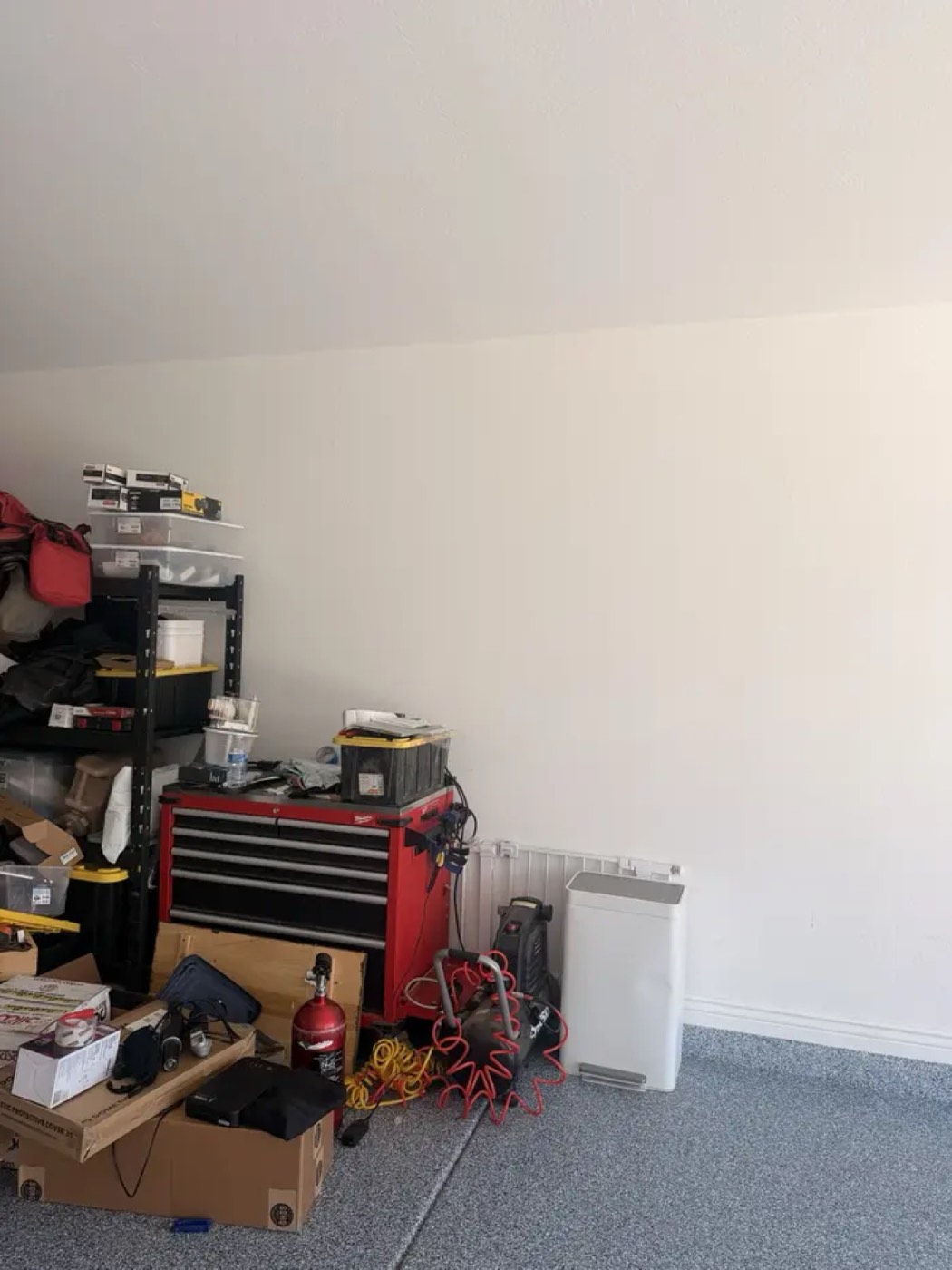

Nathan Poirier
Sep 30, 2026
Nathan’s garage was getting way too hot, so he decided to go with a 3-ton AcPro mini split to cool it down. We ran 12 feet of copper and 15 feet of electrical, then tested the system to make sure everything was running properly. Now it’s blowing nice and cold and keeping the garage comfortable.
Sapper HVAC
Mini Split Installation
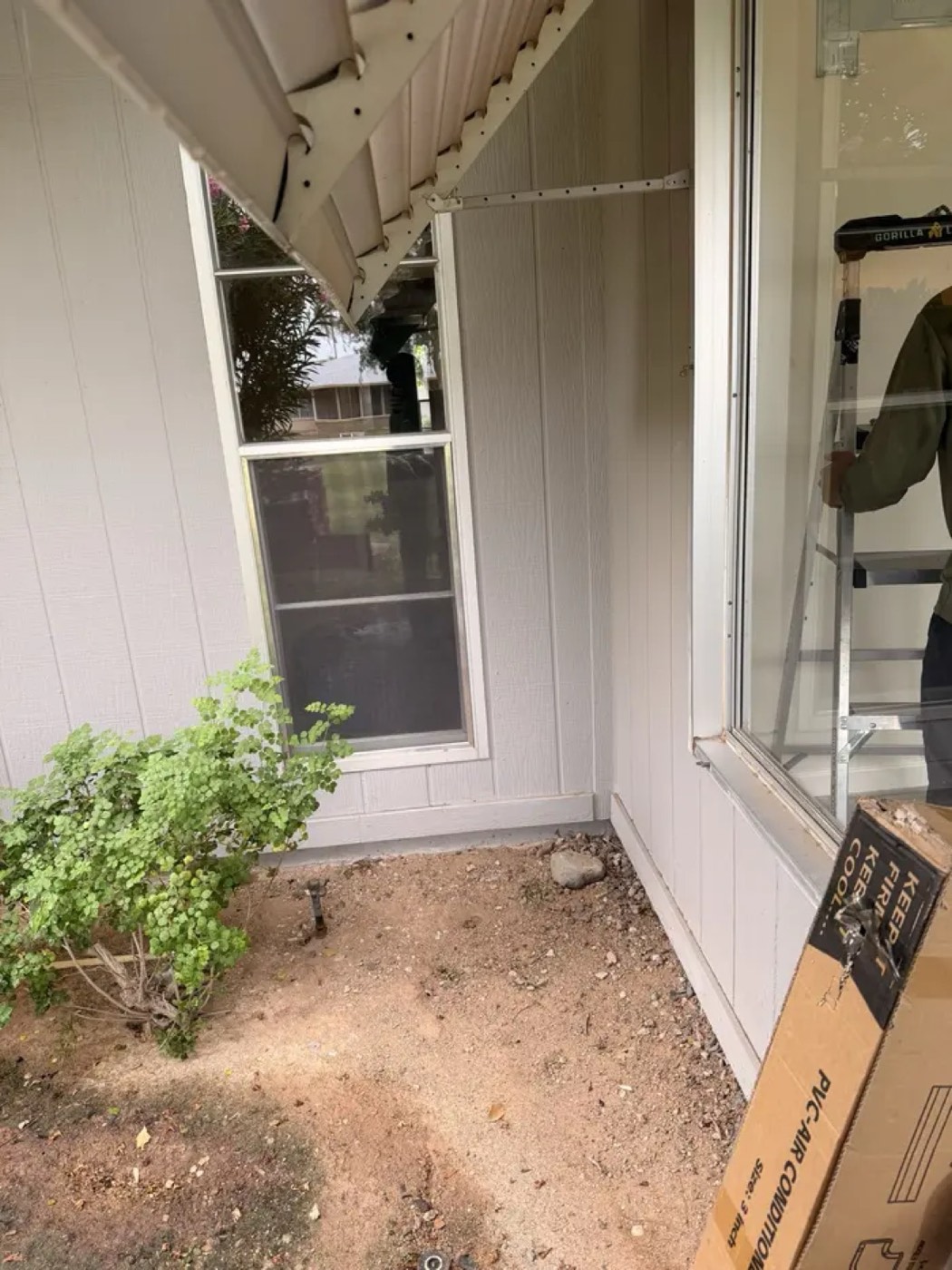
Kim Kolek
Sep 28, 2026
Kim’s room wasn’t comfortable enough, so she decided to go with an 18K Acorn mini split. We ran approximately 80 feet of electrical across the roof and 10 feet of copper lineset. We pumped the system down and tested it to make sure everything was running properly. It’s now running nice and cool, and Kim is happy with the results.
Sapper HVAC
Mini Split Installation
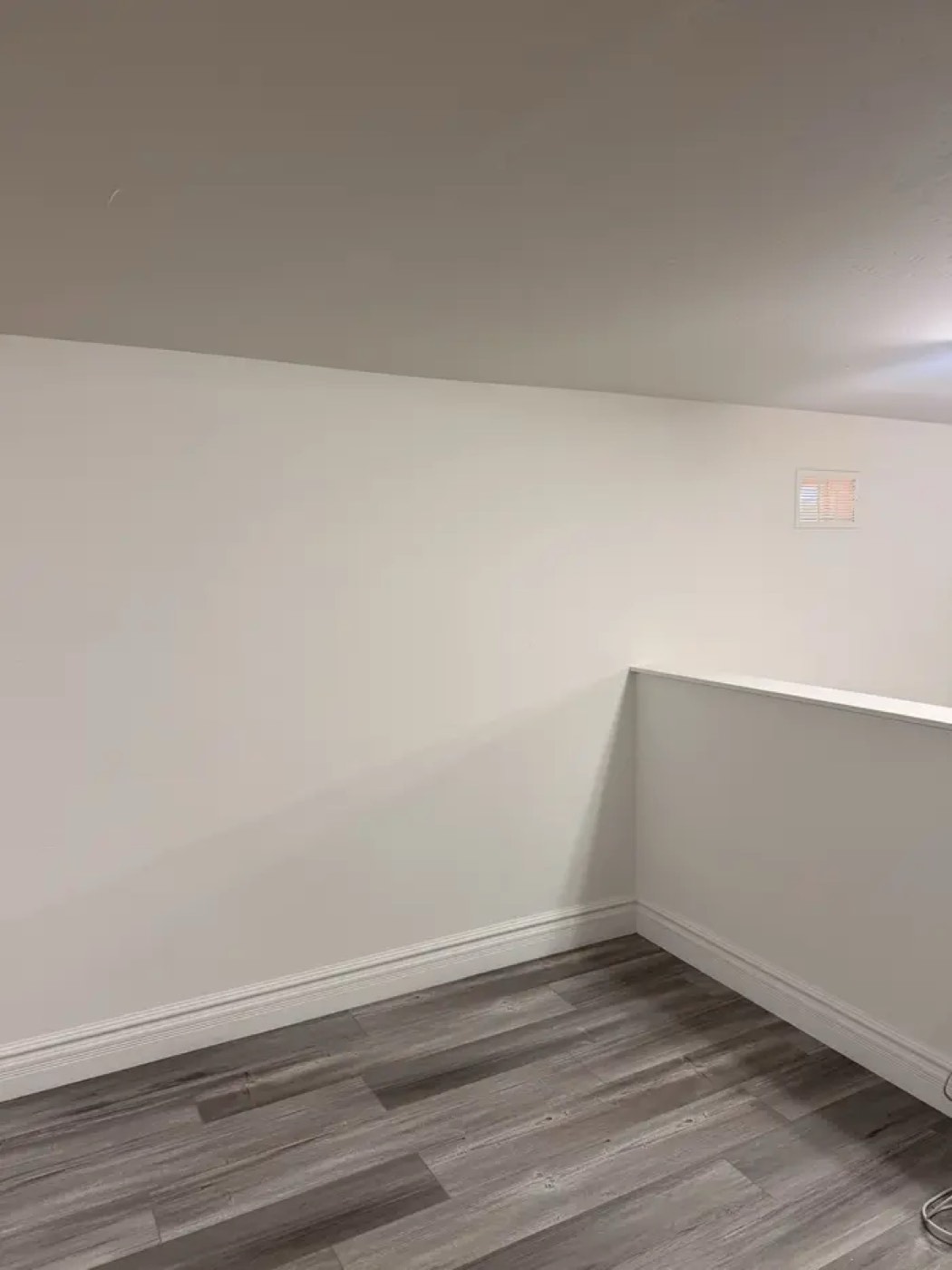
Mike Cicerelli
Sep 25, 2026
Mike’s RV garage was getting way too hot in the top half, so he went with an 18K AC Pro mini split to keep the space cool and comfortable. We ran 20 feet of electrical and 10 feet of copper line set, tested the system to make sure everything was running properly, and now it’s blowing nice and cold. Mike is happy with the results!
Sapper HVAC
Mini Split Installation
Gary Rice
Sep 23, 2026
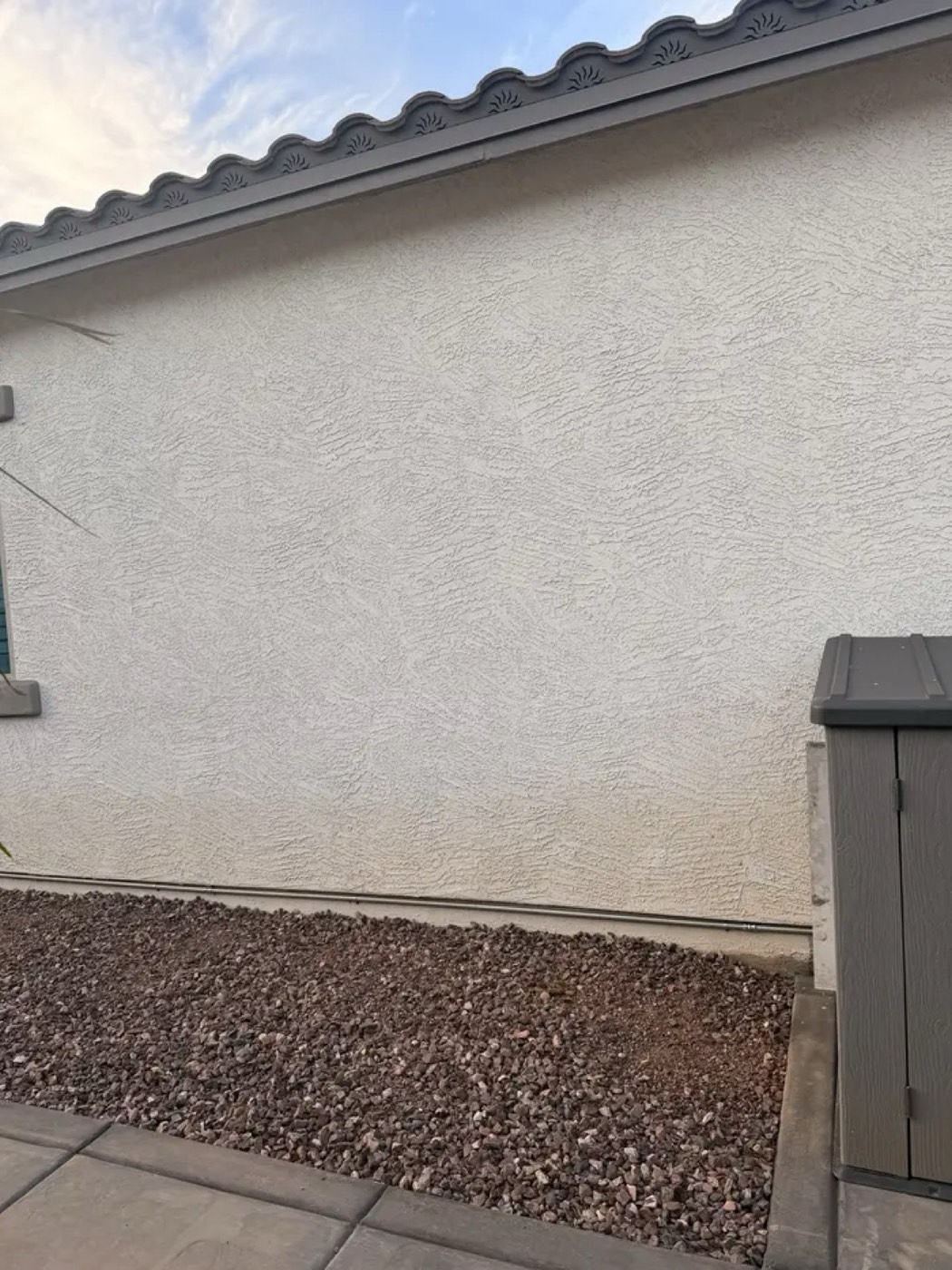
Gary’s garage and RV garage were getting way too hot, so he went with a 3-ton and a 1-ton AC Pro mini split system to keep both spaces nice and comfortable. We ran about 20 feet of total copper lineset and 15 feet of electrical. After installation, we tested both systems to make sure everything was running properly, and now both garages are blowing nice and cold.
Sapper HVAC
Mini Split Installation
Karen Smith
Sep 22, 2026
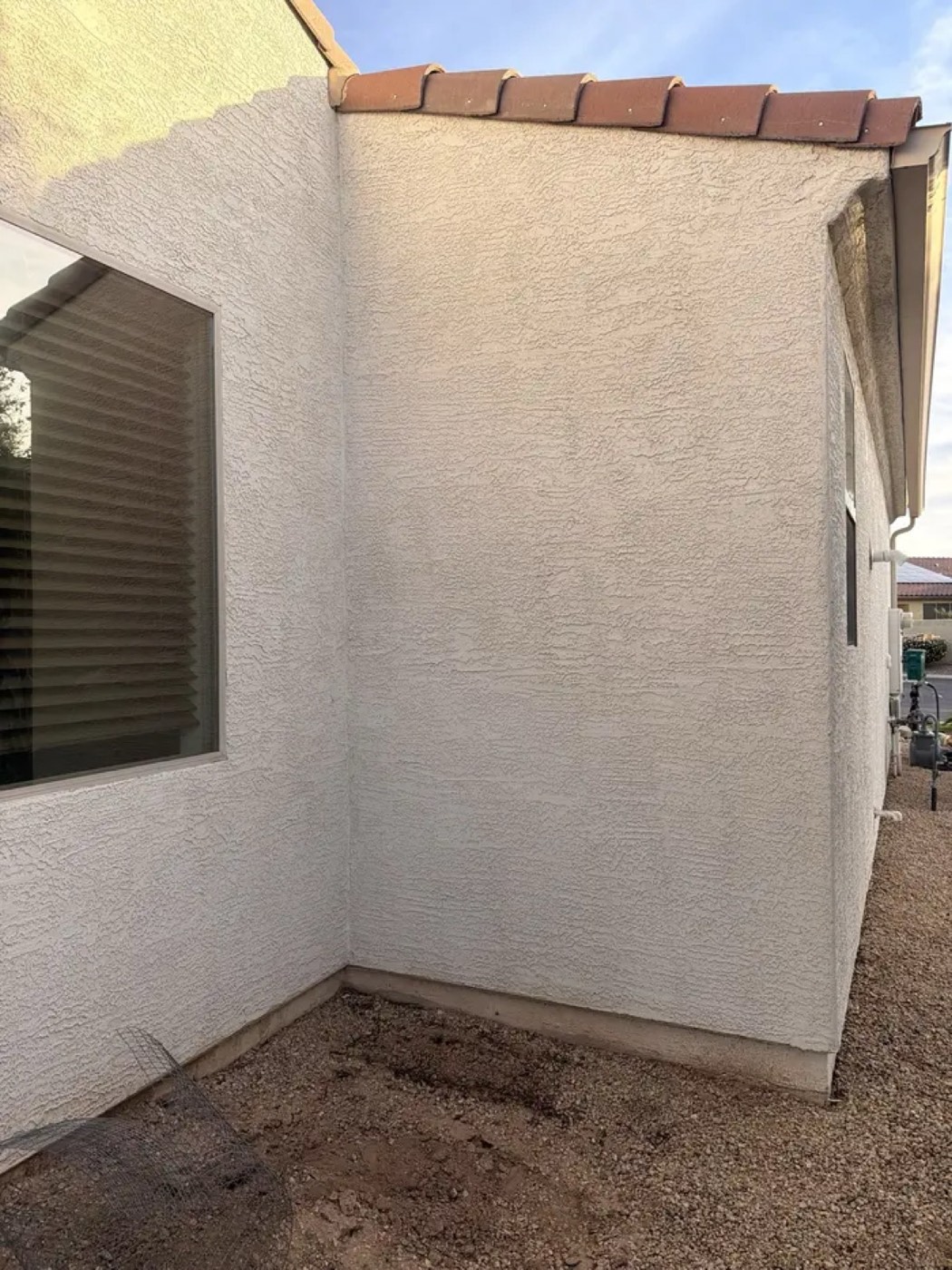
Karen’s garage was way too hot to enjoy, so she decided to go with a 24K Daikin mini split system to keep the space comfortable. We ran approximately 25 feet of copper line set and 30 feet of electrical, then thoroughly tested the system to make sure everything was running properly. Now her garage is staying nice and cool!
Sapper HVAC
Mini Split Installation
Greg Garret
Sep 21, 2026
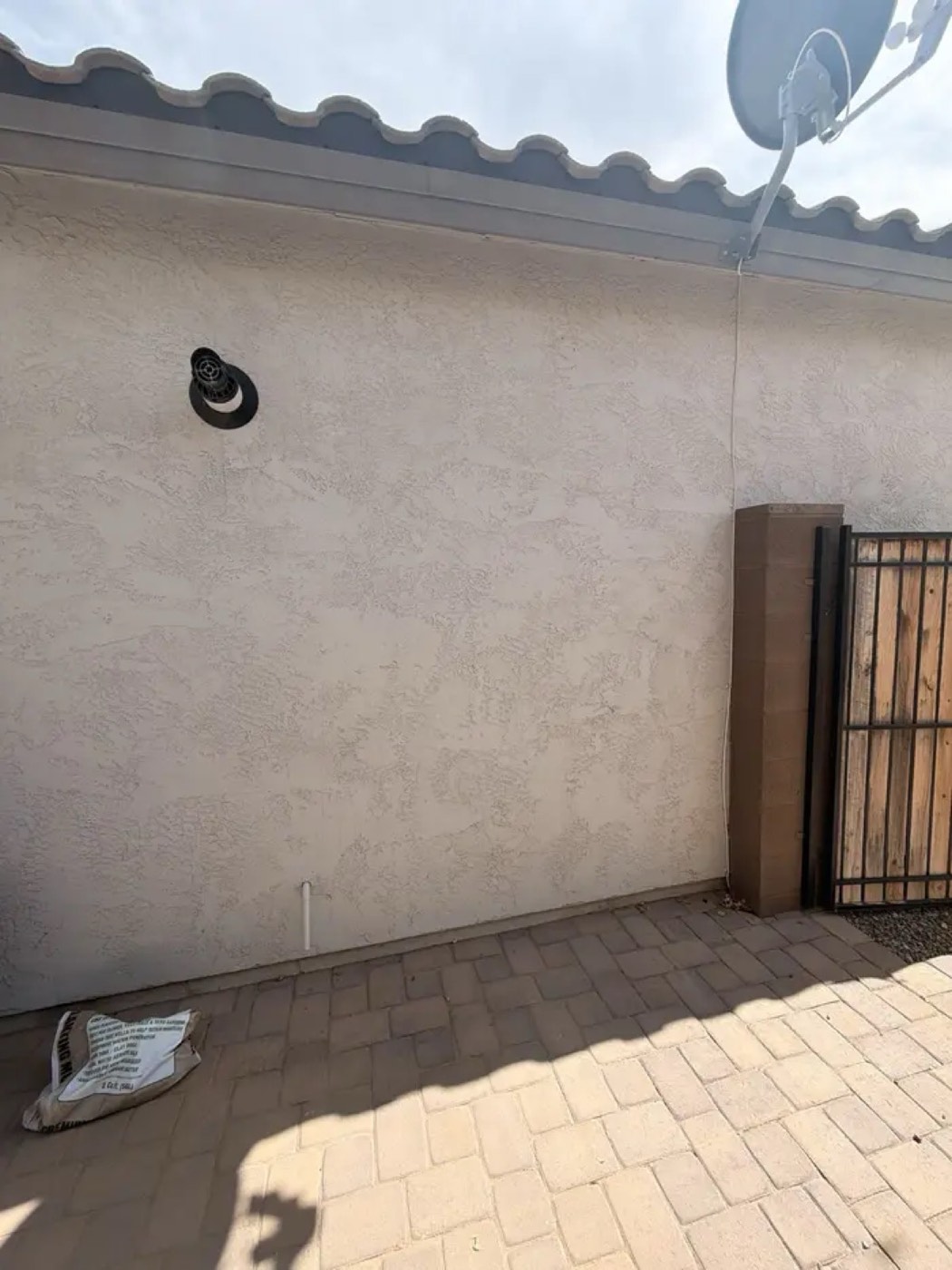
Greg wanted his garage to stay cool and comfortable year-round, so he went with a 24K Aurus mini split to keep the space at the perfect temperature. We ran 15 ft of electrical and 8 ft of copper lineset, then tested the system to make sure everything was running properly. Now his garage is nice, cool, and ready to use!
Sapper HVAC
Mini Split Installation
Andrea Mikkel
Sep 21, 2026
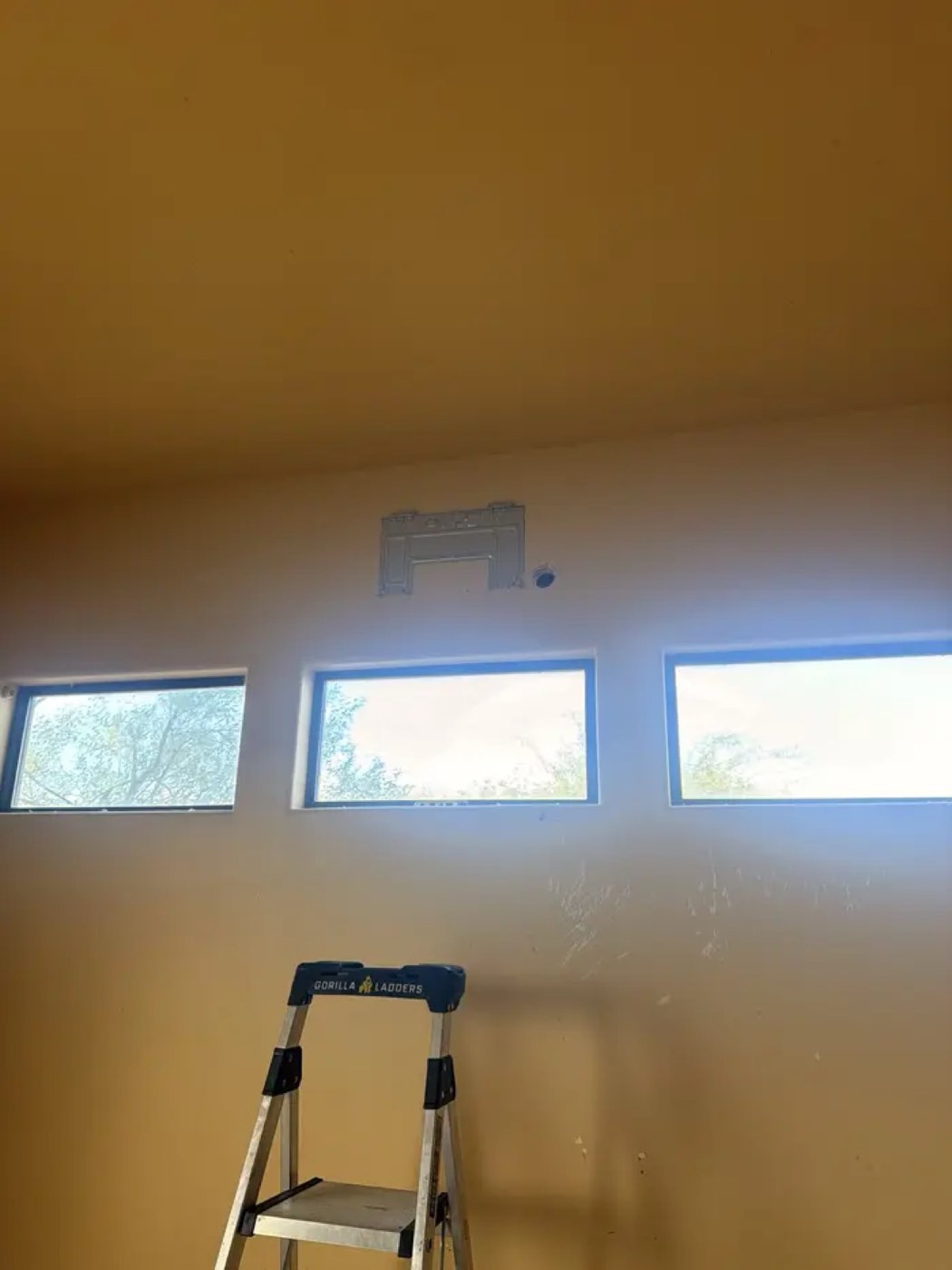
Andreas’s new room was getting way too hot to stay comfortable, so she decided to go with a 12K AC Pro mini split. We ran around 10 feet of electrical and copper lineset, tested the system, and made sure everything was running properly. Now the room is staying nice and cold!
Sapper HVAC
Mini Split Installation
Roy Freeman
Sep 18, 2026
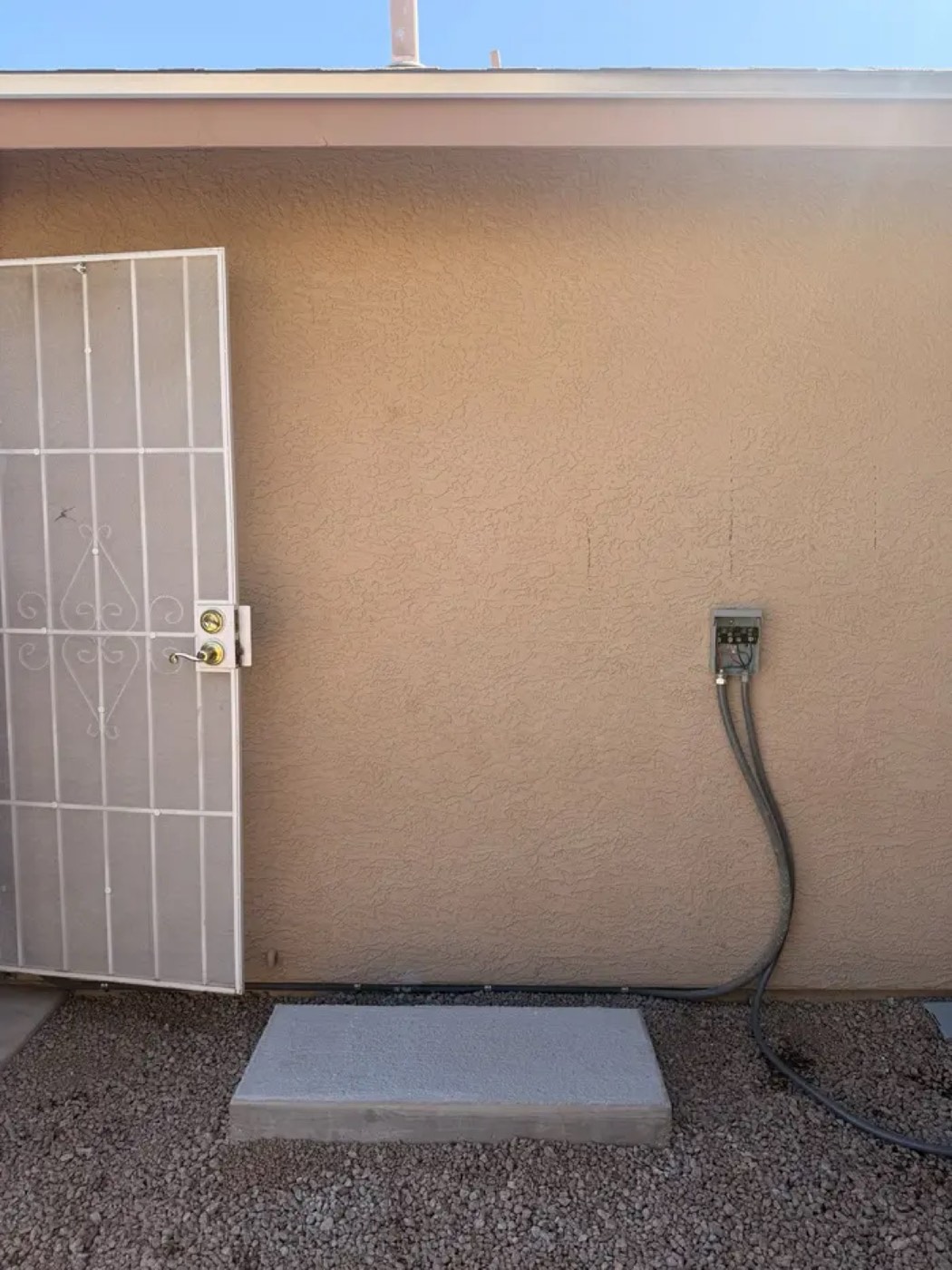
Roy wanted his garage to be comfortable and cool enough to work in, so he decided to go with a 24K Mitsubishi mini split. We ran approximately 15 feet of copper lineset and tested the system to make sure everything was running properly. Now his garage is staying nice and cold and comfortable for his work.
Sapper HVAC
Mini Split Installation
Ryan Reeding
Sep 17, 2026
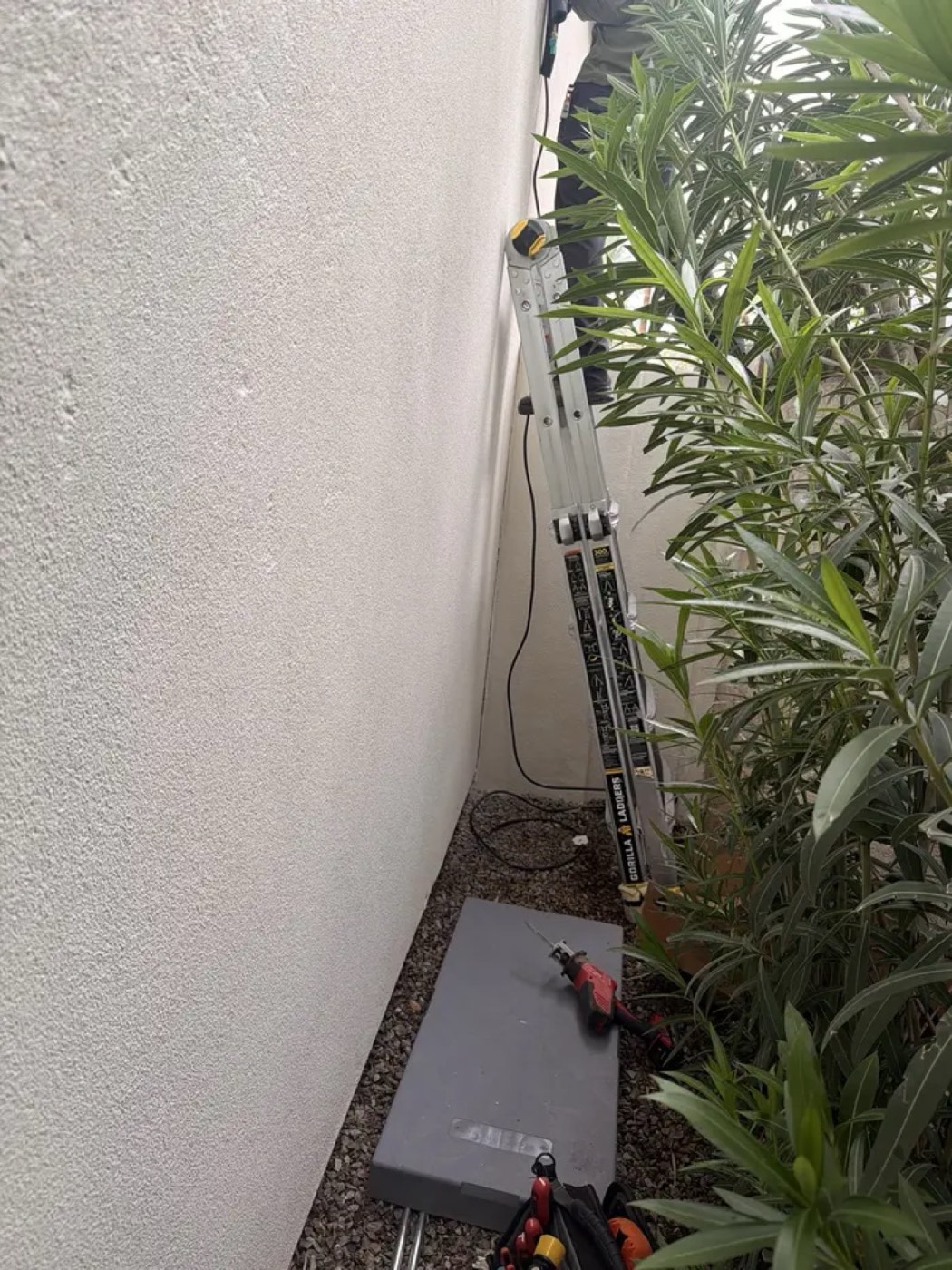
Ryan is building a gym in his garage and wanted to keep the space nice and cool overall, so he decided to go with a 3-ton AcPro mini split. We installed the unit, ran around 30 feet of electrical and 9 feet of copper line set, and tested everything to make sure it was running properly. Everything checked out and the unit was blowing nice and cold.
Sapper HVAC
Mini Split Installation
Eddy Blanco
Sep 15, 2026
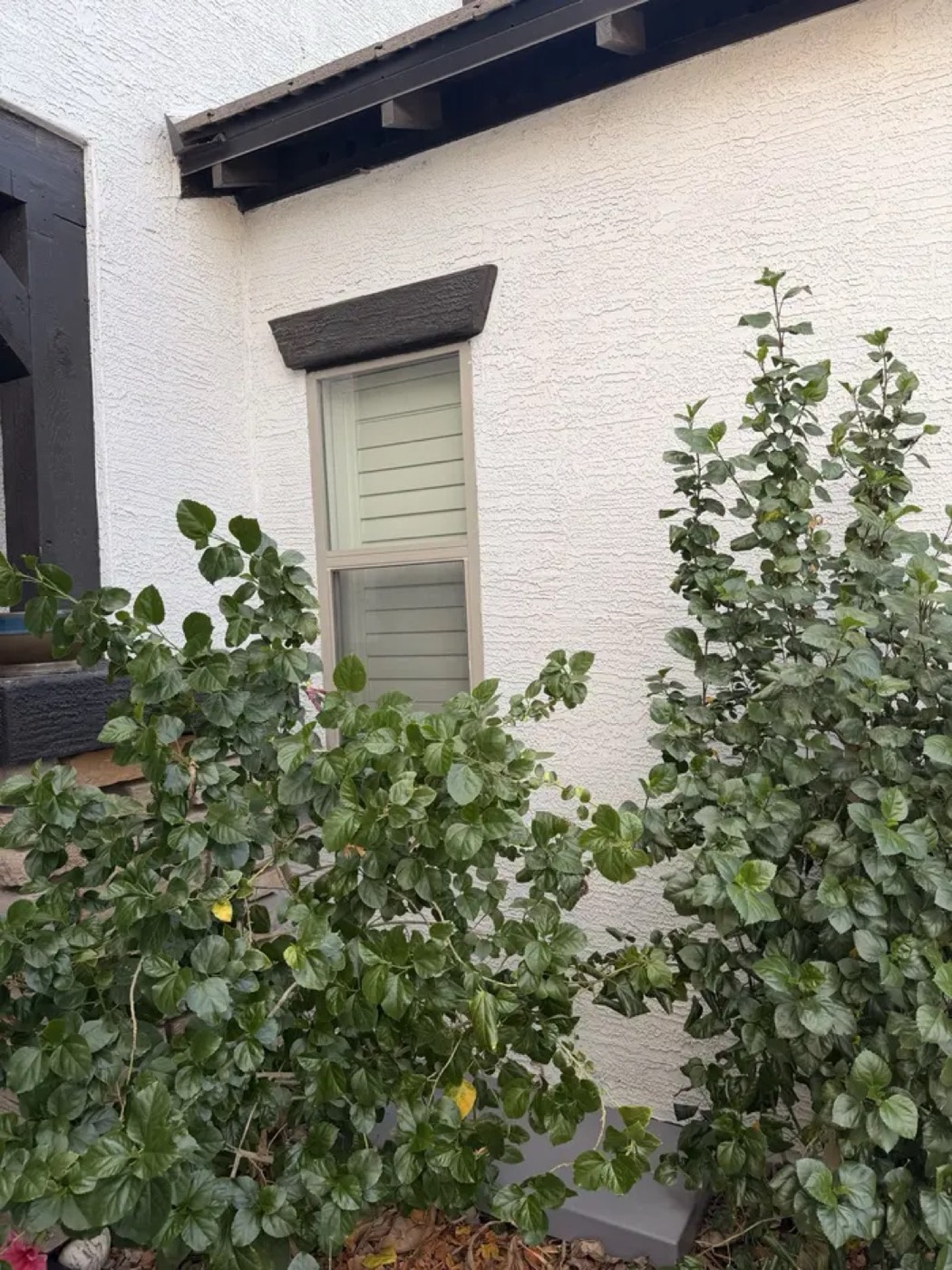
Eddy was turning his extended office into a bedroom, but the space was getting way too hot. He decided to go with a 12K Everwell mini split to keep the room comfortable. We ran 10 feet of copper and installed a new outdoor outlet to power the unit. We pressure-tested the system with nitrogen, checked everything to make sure it was running properly, and the unit performed great. Eddy was happy with the results.
Sapper HVAC
Mini Split Installation
Jayson Payne
Sep 15, 2026
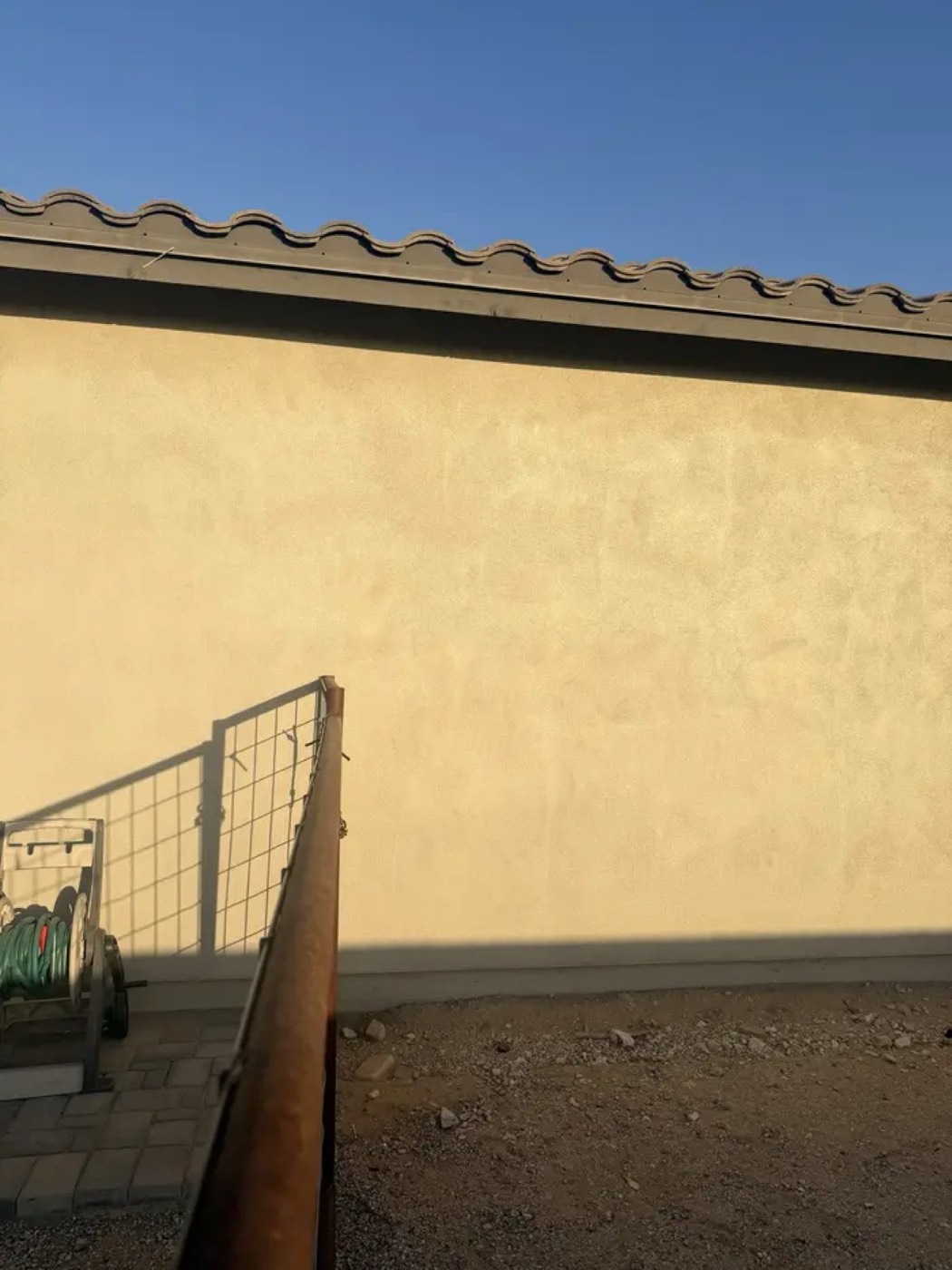
Jayson’s garage was getting way too hot in this weather, and he couldn’t stand being in there, so he decided to go with a 24K MrCool mini split to cool it down. We ran 100 feet of electrical and 8 feet of copper. We tested the system to make sure everything was running properly, and now it’s blowing nice and cold. Jayson was happy with the results.
Sapper HVAC
Mini Split Installation
Zechariah Hargrave
Sep 14, 2026
Zechariah’s room and his kids’ room weren’t getting cool enough, so he decided to go with a Daizuki multizone mini-split system with a 12,000 BTU head for one room and an 18,000 BTU head for the other.
We made sure the system was properly installed, tested, and running correctly. We ran approximately 80 feet of electrical and 25 feet of copper line set in total.
Sapper HVAC
Mini Split Installation
Michelle
Sep 11, 2026
Michelle wanted her guest room to be more comfortable, so she decided to go with a 12K BTU AC Pro mini-split. We ran approximately 20 feet of copper to reach the unit and installed an outdoor outlet to power it. Michelle is happy with the results, and now her guest room is nice and cool! ❄️
Sapper HVAC
Mini Split Installation
Ben Benton
Sep 10, 2026
Ben’s room and living room weren’t as comfortable as he wanted, so he decided to go with a 12K Everwell for the bedroom and an 18K Everwell for the living room. We ran 25 feet of copper through the garage to reach the other side of the home, along with 60 feet of electrical to complete the installation.
Sapper HVAC
Mini Split Installation
Patt Garza
Sep 03, 2026
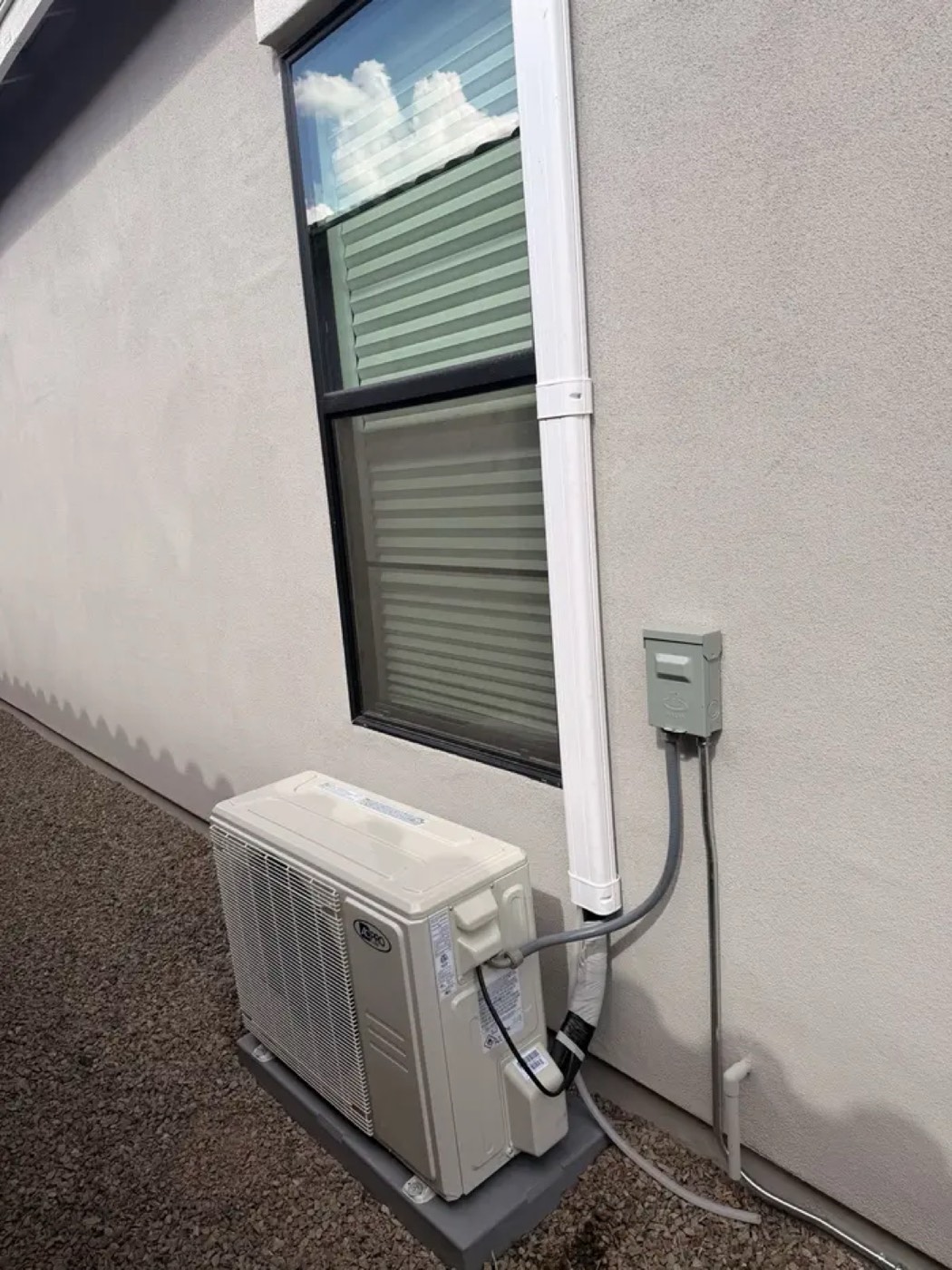
Pat’s garage was getting extremely hot and uncomfortable, so he decided to go with our 24K AcPro mini split to bring the temperature down and make the space more comfortable. We ran approximately 15 feet of line set and 15 feet of electrical, then tested the system to make sure everything was running properly. Now the garage is nice and cold, and Pat is very happy with the results.
Sapper HVAC
Mini Split Installation
Stan Cooper
Sep 02, 2026
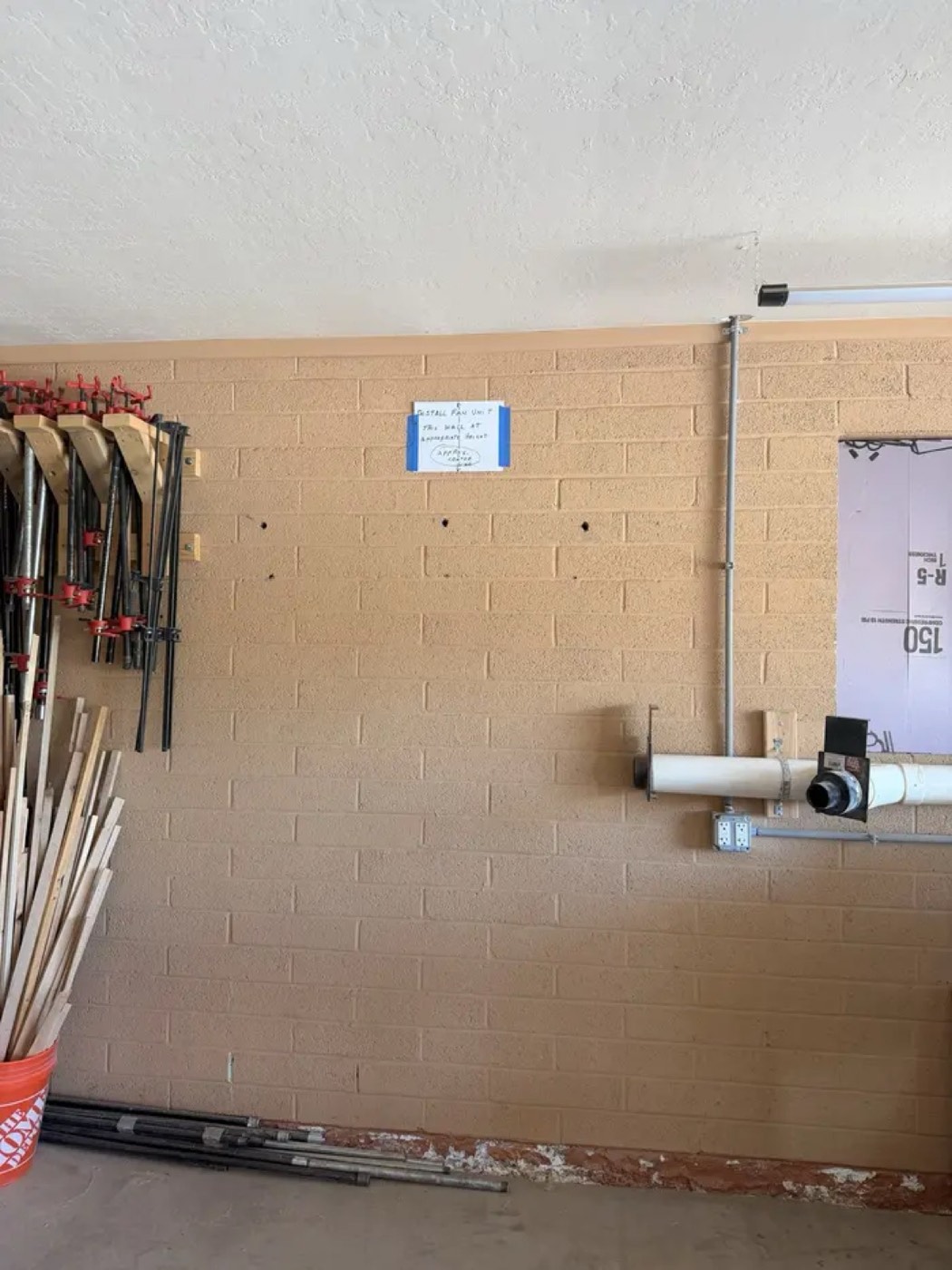
Stan’s garage was getting way too hot for him to work comfortably, so he decided to go with a 1-ton AcPro mini split to keep the space cool and comfortable. We ran around 10 feet of copper, pressure-tested the system, and made sure everything was running properly. Stan is very happy with the results, and his garage is now nice and cool! ❄️
Sapper HVAC
Mini Split Installation
Steve Wilson
Sep 01, 2026
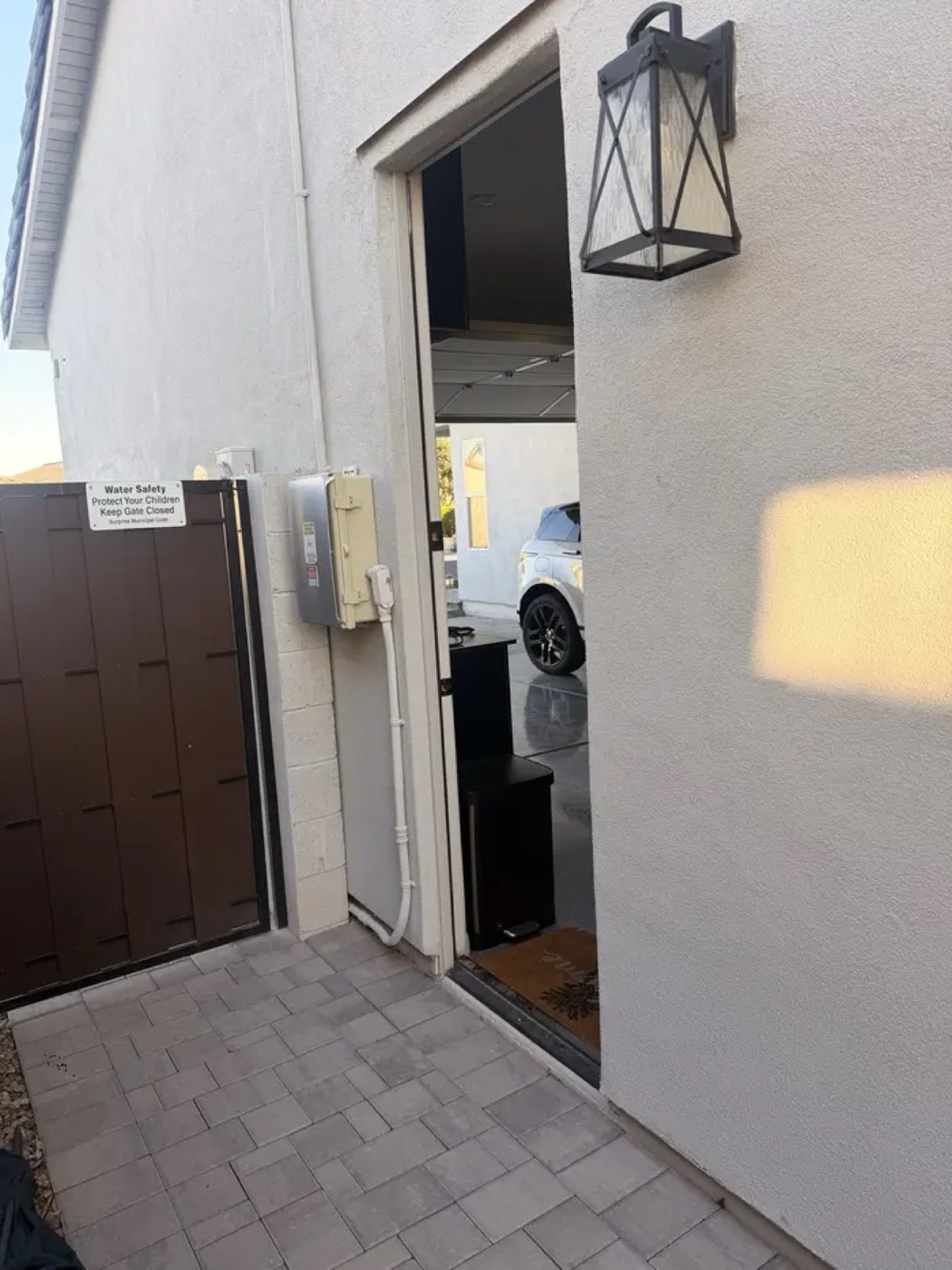
Steve’s garage was extremely uncomfortable due to the high temperatures, so he decided to install a 24K Daikin mini-split system to keep the space cool and comfortable. We ran approximately 15 feet of electrical and 15 feet of copper line set, then tested the system to ensure everything was operating properly. Steve is very happy with the results, and his garage is now nice and cold.
Sapper HVAC
Mini Split Installation
Troy Clark
Sep 01, 2026
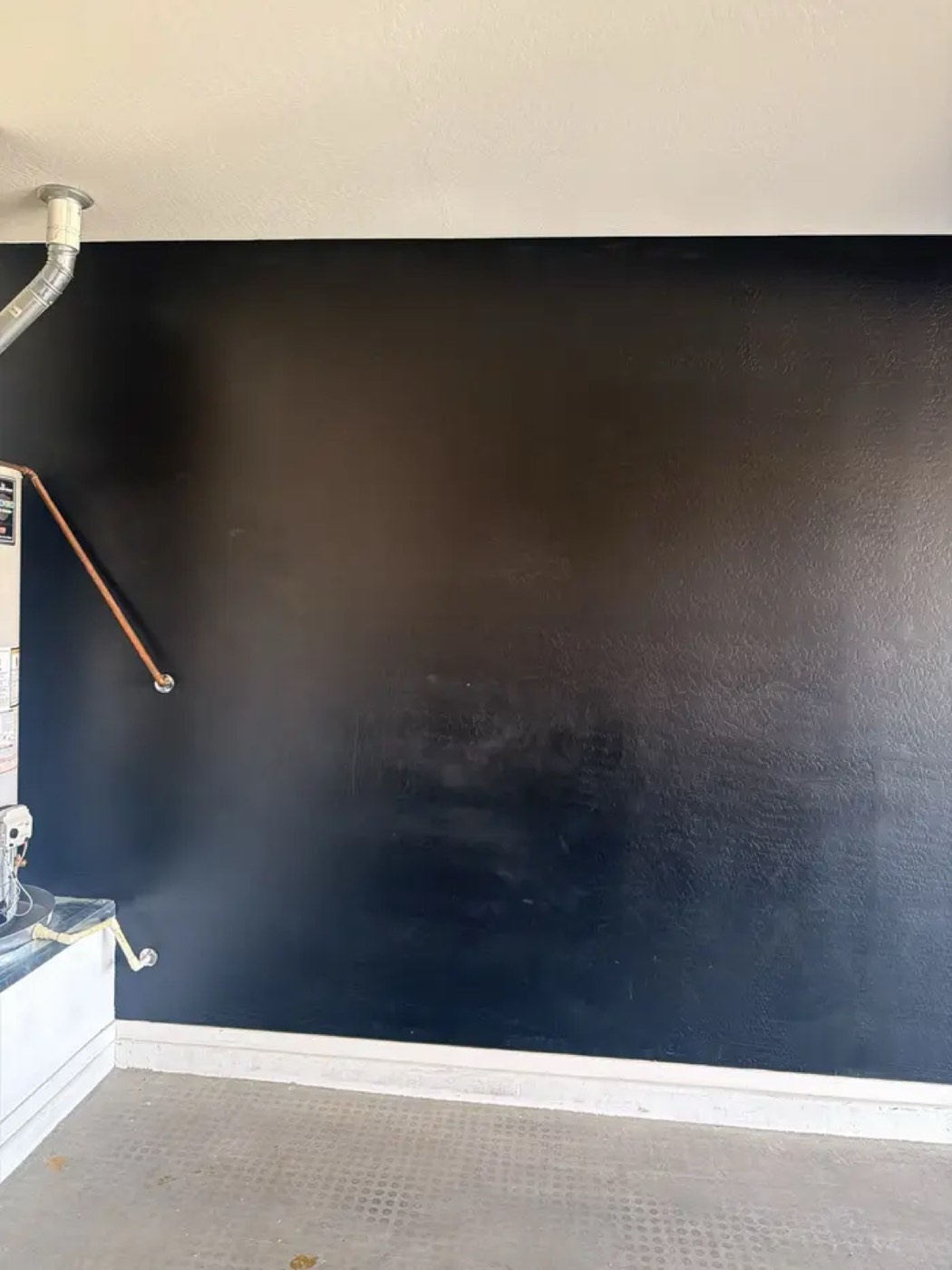
Troy’s garage gym was way too hot to work out comfortably, so he decided to install a 24K AC Pro Mini Split to keep the space cool and comfortable. 💪❄️
We ran approximately 15 feet of copper and 15 feet of electrical, then tested the system to make sure everything was running properly. Now it’s blowing nice and cold, and Troy is happy with the results!
Sapper HVAC
Mini Split Installation
Bob Chip
Aug 31, 2026
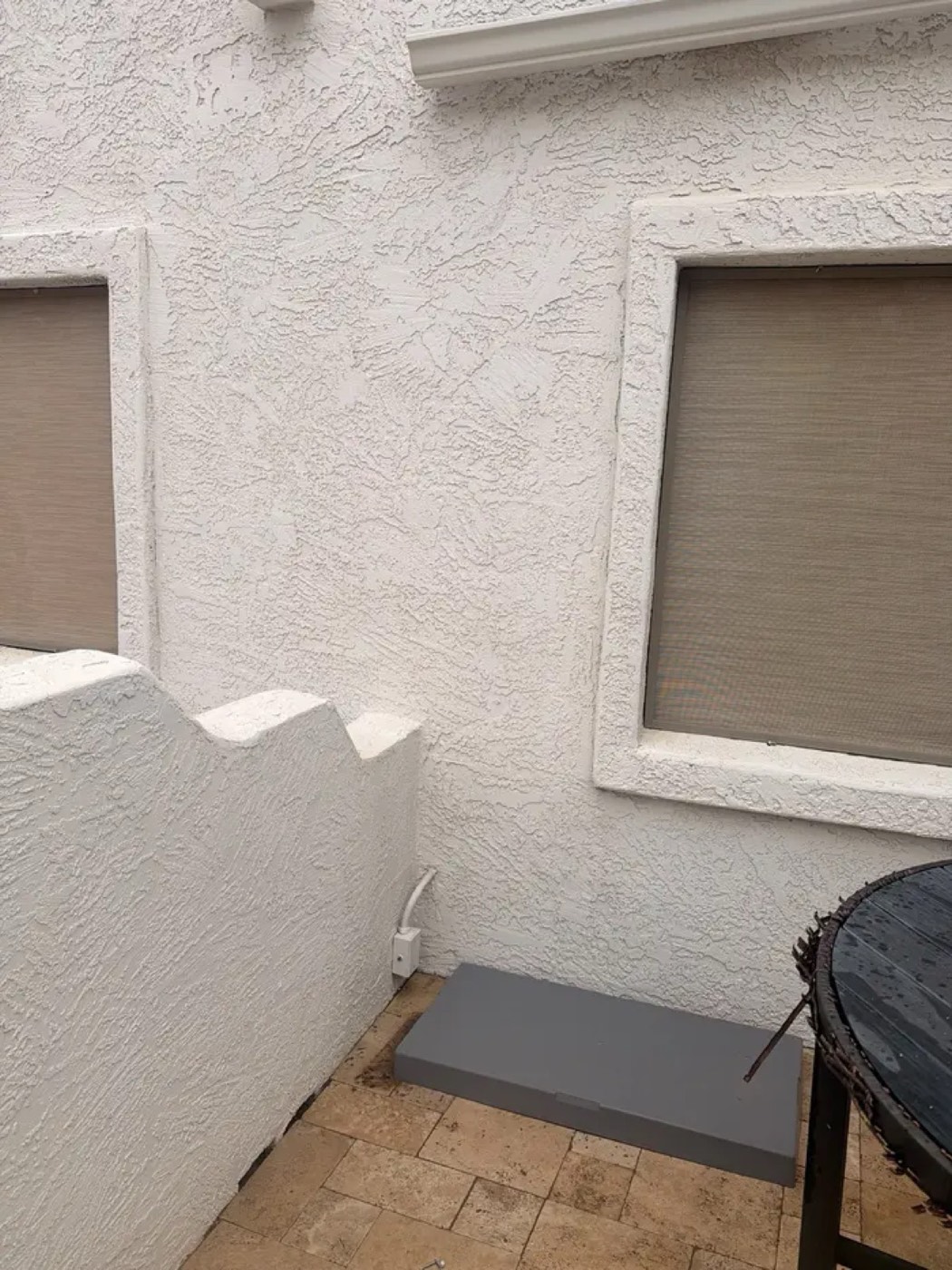
Bob’s room wasn’t comfortable to be in, so he decided to install a 1-ton AcPro mini split to keep the room cool and comfortable. We ran 13 feet of copper and installed an outdoor outlet to power the condenser. We tested the system to make sure everything was running properly, and now the room is nice and cold! ❄️
Sapper HVAC
Mini Split Installation
Rodney Avery
Aug 31, 2026
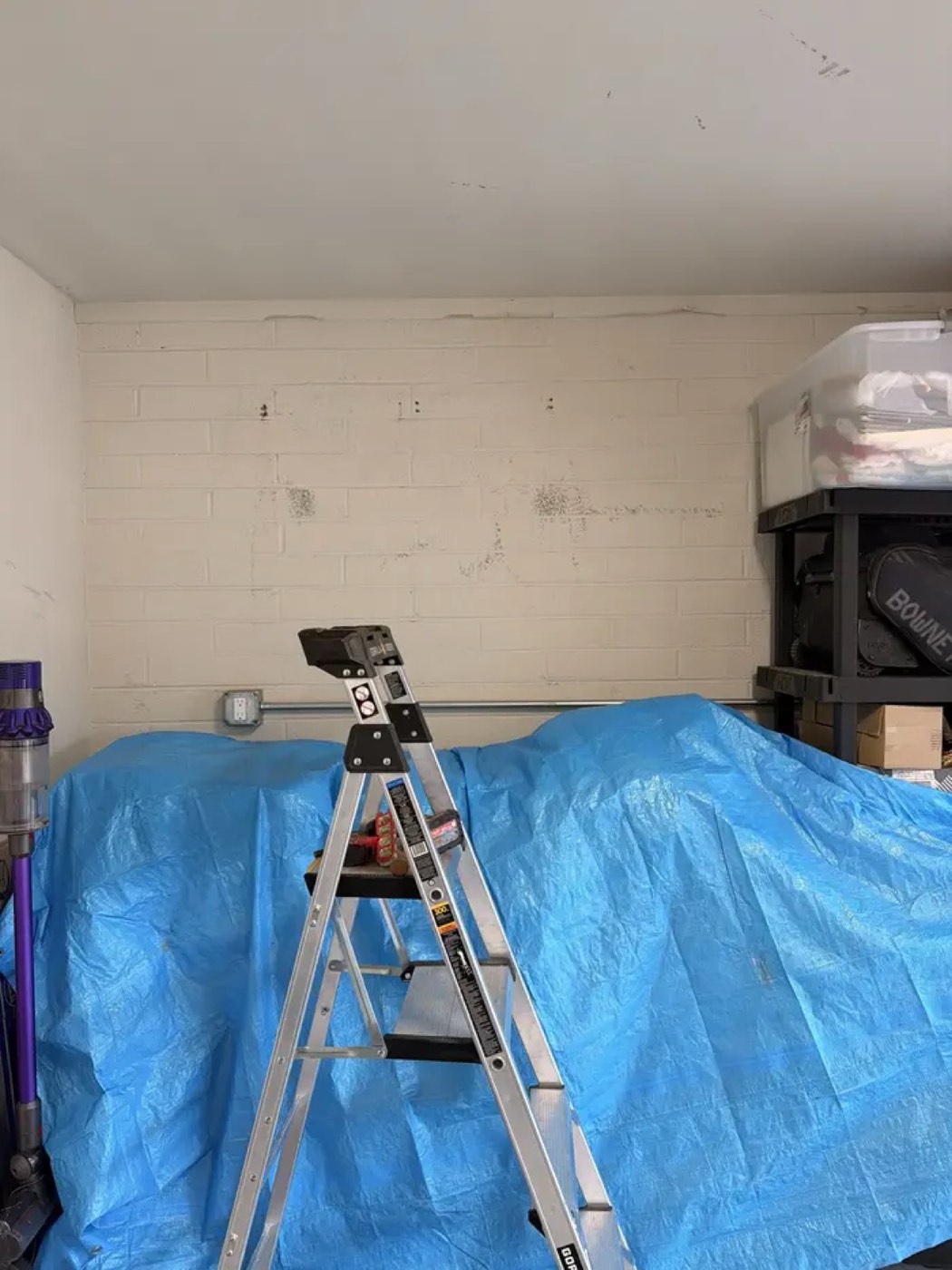
Rodney’s garage was getting too hot for him to comfortably work in, so he decided to install a 24K AC Pro mini-split to keep the space at a comfortable temperature.
We ran approximately 20 feet of electrical and 8 feet of copper, completed the installation, and made sure the system was running properly.
Now Rodney can enjoy a nice, cold garage and get back to working comfortably! 🥶
Sapper HVAC
Mini Split Installation
Central AC isn't the only option for Phoenix homeowners. For garages, casitas, or room additions, many homeowners choose ductless mini split installation for independent zone control. Flat-roof homes may benefit from our package and split system installation services. Whatever system fits your home, HVAC financing options and Arizona utility rebates are available across the Phoenix Metro service area. Schedule your installation — we'll recommend the right system for your home. If your existing system needs diagnosis or repair instead of replacement, visit our Phoenix AC repair and $149 service call page.
Veteran-owned · AZ ROC #360142
Need a repair? Sapper HVAC services systems installed by any contractor with a $149 service call. Planning a replacement or new installation? Estimates are free.